5G Revolution: What Do You Need to Know?
BerkatSoft
- The advent of 5G technology marks a revolutionary leap in the realm of telecommunications, promising to transform how we connect, communicate, and interact with the world around us. As the fifth generation of mobile network technology, 5G offers unprecedented speed, reliability, and capacity, enabling a host of new applications and services. But what exactly is 5G, and why is it such a game-changer? Here’s what you need to know about the 5G revolution.
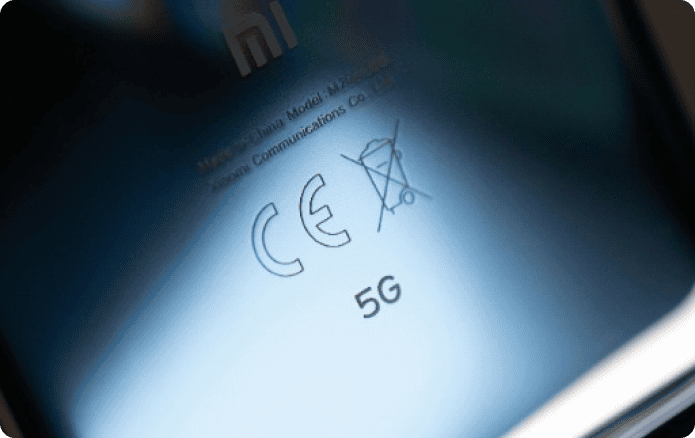
What is 5G?
5G stands for the fifth generation of wireless technology. It is designed to deliver higher data speeds, lower latency, and more reliable connections than previous generations. While 4G LTE networks currently provide a solid foundation for mobile communications, 5G is set to enhance this dramatically, offering peak data rates up to 100 times faster and latency rates reduced to as little as 1 millisecond.
Key Features of 5G:
- Speed : With potential download speeds exceeding 10 Gbps, 5G is poised to outpace the fastest home broadband networks.
- Low Latency : The reduced lag time (latency) of 5G networks is crucial for applications requiring real-time responsiveness, such as autonomous vehicles and remote surgery.
- Capacity : 5G can support a massive number of devices simultaneously, making it ideal for the Internet of Things (IoT) and smart cities.
How Does 5G Work?
5G operates on a wider range of the radio frequency spectrum, including millimeter waves, which are higher in frequency than those used by previous generations. These higher frequencies can carry more data but over shorter distances, necessitating the use of more cell towers and advanced beamforming technologies to direct signals precisely where needed
5G Network Architecture:
- Small Cells : Due to the shorter range of millimeter waves, 5G relies heavily on small cells—miniature base stations placed closer together than traditional macro cell towers.
- Massive MIMO : Multiple-input and multiple-output (MIMO) technology uses numerous antennas at both the transmitter and receiver to improve communication performance.
- Beamforming : This technology directs signals to specific devices rather than broadcasting in all directions, enhancing efficiency and reducing interference.
Applications and Benefits of 5G
The enhanced capabilities of 5G open up a world of possibilities across various industries, revolutionizing the way we live and work.
Key Applications:
- Enhanced Mobile Broadband (eMBB) : 5G enables faster streaming, seamless virtual reality (VR) and augmented reality (AR) experiences, and improved online gaming.
- Ultra-Reliable Low Latency Communications (URLLC) : Critical applications like remote surgery, autonomous driving, and industrial automation benefit from the low latency and high reliability of 5G.
- Massive IoT : With its ability to connect a vast number of devices, 5G supports smart cities, smart homes, and industrial IoT applications, driving efficiencies and innovation.
Benefits:
- Increased Productivity : Businesses can leverage 5G for faster data transfer, improved cloud access, and enhanced communication tools, boosting overall productivity.
- Economic Growth : The deployment of 5G is expected to spur innovation, create new business opportunities, and contribute significantly to economic growth globally.
- Improved Quality of Life : From smart healthcare solutions to more efficient public services, 5G has the potential to significantly enhance the quality of life.
Challenges and Considerations
While the promise of 5G is immense, there are challenges and considerations to address as we transition to this new technology.
Key Challenges:
- Infrastructure Development : Building the dense network of small cells required for 5G is a significant logistical and financial challenge.
- Spectrum Availability : Allocating sufficient and appropriate spectrum for 5G use is critical to its success.
- Security and Privacy : As with any new technology, ensuring robust security measures and protecting user privacy are paramount.
Health Concerns:
There have been public concerns about the potential health impacts of increased exposure to radiofrequency radiation from 5G. However, studies and regulatory agencies like the World Health Organization (WHO) and the Federal Communications Commission (FCC) have stated that 5G is safe within the guidelines they have established.
The Future of 5G
The rollout of 5G is still in its early stages, but its impact is already being felt. As networks expand and more devices become 5G-enabled, we can expect to see even more innovative applications and services emerge. The full realization of 5G’s potential will likely take several years, but its transformative effects on industries, economies, and daily life are already becoming apparent.
Looking Ahead:
- Continued Innovation : Research and development in 5G technology will continue to push the boundaries of what is possible, leading to new breakthroughs.
- Global Adoption : As countries worldwide adopt 5G, international standards and collaborations will shape the global telecommunications landscape.
- Integration with Other Technologies : The synergy between 5G and other emerging technologies like AI, edge computing, and blockchain will drive new solutions and efficiencies.
Conclusion
The 5G revolution is more than just a step up in mobile network technology—it`‘s a fundamental shift that will redefine how we connect and interact with the world. Understanding the basics of 5G, its benefits, and the challenges involved helps us appreciate the profound impact it will have on our future. As we stand on the brink of this new era, the possibilities seem limitless, promising a smarter, more connected world for everyone.
NEW POST
Operational Tracking (Automation)
Cybersecurity: Ransomware Threats on the Rise
Development of Quantum Computing
Have any question?