

Empowering Businesses with Technology

WHO WE ARE

Innovate, Code, Succeed: Your Journey with Us
The sister company of Advess Business Solution which focuses on Web and Mobile development, we have a lot of experience in the ERP (Enterprise Resource Planning) field for 20+ years in various companies in Indonesia combined with talented millennial talent.
Discover Me
There are already a number of user who use our services
100000+

Service
Software, mobile app and website development

Maintenance
Regular maintenance and upkeep

Consultation
Consultations are available to create a system that fits your vision and goals.Consultations are available to create a system that fits your vision and goals.
WHAT WE OFFER
Advanced Technology, Amazing Results
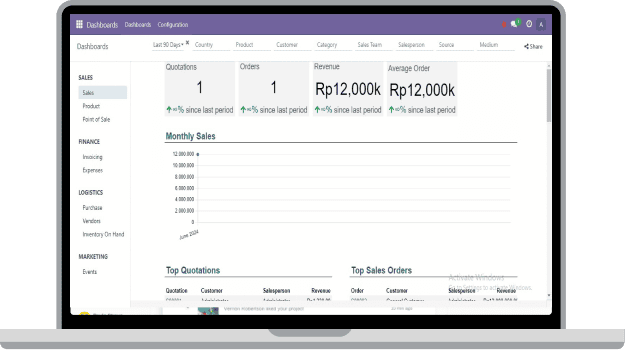
ERP
- Tailored to Your Needs: We understand that every business is unique. Our custom Odoo ERP solutions are designed to meet your specific requirements, ensuring seamless integration with your existing processes.
- Expert Developers: Our team of experienced Odoo developers is dedicated to delivering top-notch ERP solutions, leveraging the full capabilities of Odoo to provide you with a competitive edge.
- Scalable Solutions: Whether you‘re a small business or a large enterprise, our scalable Odoo ERP solutions grow with your business, providing long-term value and adaptability.
- Comprehensive Support: From initial consultation to implementation and beyond, we offer continuous support to ensure your ERP system runs smoothly and efficiently.

Company Profile
Having a company profile is important for the following reasons:
- Identity and Brand Awareness: A company profile helps in building brand identity and awareness. It provides a clear picture of who the company is, what they do, and what they stand for.
- Trust and Credibility: A detailed and professional profile can increase trust and credibility in the eyes of customers, investors, and business partners. Clear and transparent information shows that the company operates openly and honestly.
- Basic Information for Investors: Potential investors need detailed information about the company to make informed investment decisions. A company profile provides an overview of the company’s history, vision, mission, and financial performance.
- Marketing Tool: A company profile serves as an effective marketing tool. It can be used in presentations, business proposals, brochures, and websites to attract new customers and retain existing ones.
- Recruitment: Potential employees often look at a company profile to understand the company’s culture, values, and career opportunities. A good profile can attract the best talent.
- Internal Communication: A company profile is also useful for internal communication. It helps employees understand the company’s goals, values, and strategies, and feel more connected to the company’s vision and mission.
- Regulation and Compliance: Some industries or countries require companies to have a formal profile as part of regulatory requirements. This ensures that the company is operating in accordance with applicable laws and standards.
- Strategy and Planning: A complete company profile can be used as a basis for formulating business strategies and long-term planning. It helps management identify strengths, weaknesses, opportunities and threats.

Artificial Intelligence
Why Choose AI chatbot System for Your AI Chatbot Solutions?
1. Flexible Platform Integration: Choose the perfect fit for your business - implement our AI chatbot on either WhatsApp or your website. We offer tailored solutions for each platform, ensuring optimal performance wherever you decide to engage your customers.
2. Advanced AI Technology: Utilizing cutting-edge artificial intelligence, our chatbots deliver intelligent, context-aware responses that improve with each interaction.
3. 24/7 Customer Support: Ensure round-the-clock availability for your customers, handling inquiries and providing assistance at any time without human intervention.
4. Increased Efficiency: Automate routine queries and tasks, freeing up your human resources to focus on more complex issues and strategic activities.
5. Personalized Customer Experience: Our AI chatbots analyze user data to provide tailored recommendations and responses, enhancing customer satisfaction and engagement.
6. Scalability: Easily handle large volumes of simultaneous conversations without compromising on quality or response time.
7. Multilingual Support: Communicate with your global audience in their preferred language, breaking down language barriers effortlessly.
8. Data Insights: Gain valuable insights into customer behavior, preferences, and frequently asked questions to inform your business strategies.
9. Cost-Effective Solution: Reduce operational costs associated with customer support while improving service quality and response times.
10. Easy Integration: Our chatbots integrate smoothly with your existing systems and workflows, ensuring minimal disruption to your current operations.
11. Continuous Improvement: Our AI models are regularly updated to enhance performance, adapt to new scenarios, and stay ahead of user expectations.
12. Customizable Personality: Tailor your chatbot's tone and style to align perfectly with your brand voice and values.

Operational Management
Our operational management program application offers a variety of features designed to meet your business needs:
- Integrated Project Management: Manage all your projects from one centralized platform with efficient progress tracking, resource allocation, and scheduling features.
- Easy Team Collaboration: Facilitate communication and collaboration between team members with integrated chat, discussion, and document sharing tools.
- Analytics and Reporting: Gain deep insight into your operational performance with real-time reports and customizable data analysis.
- Task Automation: Save time and reduce errors by automating your routine tasks and business processes.
- High Data Security: Protect your business's critical information with advanced data security features and automatic backup.

E-Commerce
Benefits for Businesses
- Access to Global Markets: E-commerce allows businesses to reach customers worldwide, expanding their potential customer base and increasing sales opportunities.
- Low Operating Costs: Without the need for a physical storefront, businesses can save on rent, utilities and maintenance. This reduced cost allows for higher profit margins.
- 24/7 Operations: Online stores can operate around the clock without any business hours restrictions, allowing customers to shop at their convenience.
- Personalization and Targeting: Using customer data, businesses can offer personalized shopping experiences and targeted offers, increasing customer satisfaction and loyalty.
- Scalability: E-commerce allows businesses to easily scale up or down their operations according to demand without the need for significant changes in infrastructure.
- Analytics and Reporting: E-commerce platforms provide analytical tools that help businesses understand customer behavior, sales trends and the effectiveness of marketing campaigns, which helps in better decision making.
Benefits for Consumers
- Convenience: Consumers can shop from anywhere and at any time, without having to visit a physical store. This saves a lot of time and effort.
- More Choice: Online stores offer a variety of products from different brands, allowing consumers to compare and choose the products that best suit their needs.
- Competitive Pricing: With high competition in the online marketplace, consumers can often find better deals and discounts than they can in brick-and-mortar stores.
- Reviews and Ratings: Consumers can read reviews and ratings from other buyers before making a purchase decision, giving them more confidence in choosing a product.
- Comprehensive Information: E-commerce sites typically provide more detailed product information, including specifications, user guides, and product photos from various angles.
- Home Delivery: Products can be delivered directly to consumers’ homes, which is especially convenient for large or heavy items.
General Benefits
- Innovation and Technology: E-commerce drives innovation in payment technology, logistics, and digital marketing, ultimately improving the shopping experience.
- Greener Environment: By reducing the need for physical trips to stores and optimizing the supply chain, e-commerce can help reduce the carbon footprint.
- Speed and Efficiency: Faster and more efficient transaction processes from ordering to payment and delivery of goods.

Attendance App
Understanding the Functions of an Attendance App
In today's fast-paced environment, managing attendance efficiently is crucial for both educational institutions and businesses. An attendance app offers a range of functions designed to streamline and simplify the process. Let’s explore the core functions of an attendance app:
1. Real-Time Check-Ins and Check-Outs
An attendance app allows users to check in and check out in real time, making it easy to record attendance as it happens. Whether for students in a classroom or employees in the workplace, this function ensures accurate and immediate tracking of attendance.
2. Automated Attendance Tracking
Gone are the days of manual roll calls and paper logs. The app automates the attendance process, reducing errors and administrative workload. It captures attendance data automatically, providing a seamless experience for both users and administrators.
3. Comprehensive Reporting
Attendance apps generate detailed reports on attendance patterns, absences, and punctuality. These reports can be customized and exported, offering valuable insights for performance evaluations, compliance checks, and overall management.
4. Integration with Other Systems
Many attendance apps offer integration with existing systems such as payroll, HR management, and learning management systems (LMS). This ensures a cohesive workflow and allows for smooth data transfer across different platforms.
5. Notifications and Alerts
Stay informed with automated notifications and alerts. The app can send reminders for upcoming classes or meetings, alert you to absences, and provide updates on attendance status. This feature helps keep everyone on track and aware of their attendance responsibilities.
6. User-Friendly Interface
Designed with user experience in mind, attendance apps feature intuitive interfaces that are easy to navigate. Both administrators and users can manage attendance effortlessly, even without extensive technical knowledge.
7. Customizable Settings
Adapt the app to fit your specific needs with customizable settings. You can configure attendance rules, set up different categories for reporting, and tailor the app’s functionality to suit the requirements of your organization or institution.
8. Secure Data Management
Security is a priority, and attendance apps ensure that your data is protected with advanced encryption and secure access controls. This guarantees that sensitive attendance information remains confidential and safe from unauthorized access.
Conclusion
In summary, an attendance app offers a modern solution for managing and monitoring attendance efficiently. With real-time tracking, automated processes, comprehensive reporting, and user-friendly features, it simplifies attendance management and enhances accuracy. Embrace the convenience and effectiveness of an attendance app to streamline your attendance processes and improve overall productivity.
HOW WE WORK
Easy Step
System development generally follows a sequence of stages called the Software Development Life Cycle (SDLC)




Planning
Establish project goals, budget, and schedule
Design
Designing system architecture and technical specifications
Development
Write code and develop system components
Testing and Implementation
Perform functional testing, integration, and implementation into production environments
Maintenance
Ensuring seamless software performance through proactive maintenance and support.
WHY CHOOSE US
Advanced Technology, Amazing Results

Make a wise choice: choose us for reliable solutions, excellent customer service, and relentless innovation

Commitment
Our commitment serves as the foundation guiding us towards success and customer satisfaction in every step we take

Customer Support
We provide customer support and maintenance in software development, always ready to help you ensure your projects run smoothly

Research & Development
We engage in research and development of cutting-edge technologies, with a focus on Integration, Automation, and AI.

Our Expert
We possess extensive experience in designing, creating, and developing easy-to-use and secure systems for a wide range of companies in different business fields
WHAT WE SHARE
Stay connected with our latest information! Read our blog for exclusive insights, tips, and the latest trends in software development

5G Revolution: What Do You Need to Know?
BerkatSoft
- The advent of 5G technology marks a revolutionary leap in the realm of telecommunications, promising to transform how we connect, communicate, and interact with the world around us. As the fifth generation of mobile network technology, 5G offers unprecedented speed, reliability, and capacity, enabling a host of new applications and services. But what exactly is 5G, and why is it such a game-changer? Here’s what you need to know about the 5G revolution.

What is 5G?
5G stands for the fifth generation of wireless technology. It is designed to deliver higher data speeds, lower latency, and more reliable connections than previous generations. While 4G LTE networks currently provide a solid foundation for mobile communications, 5G is set to enhance this dramatically, offering peak data rates up to 100 times faster and latency rates reduced to as little as 1 millisecond.
Key Features of 5G:
- Speed : With potential download speeds exceeding 10 Gbps, 5G is poised to outpace the fastest home broadband networks.
- Low Latency : The reduced lag time (latency) of 5G networks is crucial for applications requiring real-time responsiveness, such as autonomous vehicles and remote surgery.
- Capacity : 5G can support a massive number of devices simultaneously, making it ideal for the Internet of Things (IoT) and smart cities.
How Does 5G Work?
5G operates on a wider range of the radio frequency spectrum, including millimeter waves, which are higher in frequency than those used by previous generations. These higher frequencies can carry more data but over shorter distances, necessitating the use of more cell towers and advanced beamforming technologies to direct signals precisely where needed
5G Network Architecture:
- Small Cells : Due to the shorter range of millimeter waves, 5G relies heavily on small cells—miniature base stations placed closer together than traditional macro cell towers.
- Massive MIMO : Multiple-input and multiple-output (MIMO) technology uses numerous antennas at both the transmitter and receiver to improve communication performance.
- Beamforming : This technology directs signals to specific devices rather than broadcasting in all directions, enhancing efficiency and reducing interference.
Applications and Benefits of 5G
The enhanced capabilities of 5G open up a world of possibilities across various industries, revolutionizing the way we live and work.
Key Applications:
- Enhanced Mobile Broadband (eMBB) : 5G enables faster streaming, seamless virtual reality (VR) and augmented reality (AR) experiences, and improved online gaming.
- Ultra-Reliable Low Latency Communications (URLLC) : Critical applications like remote surgery, autonomous driving, and industrial automation benefit from the low latency and high reliability of 5G.
- Massive IoT : With its ability to connect a vast number of devices, 5G supports smart cities, smart homes, and industrial IoT applications, driving efficiencies and innovation.
Benefits:
- Increased Productivity : Businesses can leverage 5G for faster data transfer, improved cloud access, and enhanced communication tools, boosting overall productivity.
- Economic Growth : The deployment of 5G is expected to spur innovation, create new business opportunities, and contribute significantly to economic growth globally.
- Improved Quality of Life : From smart healthcare solutions to more efficient public services, 5G has the potential to significantly enhance the quality of life.
Challenges and Considerations
While the promise of 5G is immense, there are challenges and considerations to address as we transition to this new technology.
Key Challenges:
- Infrastructure Development : Building the dense network of small cells required for 5G is a significant logistical and financial challenge.
- Spectrum Availability : Allocating sufficient and appropriate spectrum for 5G use is critical to its success.
- Security and Privacy : As with any new technology, ensuring robust security measures and protecting user privacy are paramount.
Health Concerns:
There have been public concerns about the potential health impacts of increased exposure to radiofrequency radiation from 5G. However, studies and regulatory agencies like the World Health Organization (WHO) and the Federal Communications Commission (FCC) have stated that 5G is safe within the guidelines they have established.
The Future of 5G
The rollout of 5G is still in its early stages, but its impact is already being felt. As networks expand and more devices become 5G-enabled, we can expect to see even more innovative applications and services emerge. The full realization of 5G’s potential will likely take several years, but its transformative effects on industries, economies, and daily life are already becoming apparent.
Looking Ahead:
- Continued Innovation : Research and development in 5G technology will continue to push the boundaries of what is possible, leading to new breakthroughs.
- Global Adoption : As countries worldwide adopt 5G, international standards and collaborations will shape the global telecommunications landscape.
- Integration with Other Technologies : The synergy between 5G and other emerging technologies like AI, edge computing, and blockchain will drive new solutions and efficiencies.
Conclusion
The 5G revolution is more than just a step up in mobile network technology—it`‘s a fundamental shift that will redefine how we connect and interact with the world. Understanding the basics of 5G, its benefits, and the challenges involved helps us appreciate the profound impact it will have on our future. As we stand on the brink of this new era, the possibilities seem limitless, promising a smarter, more connected world for everyone.


AI Increases Company Productivity
How AI Increases Company Productivity
Introduction
Artificial Intelligence (AI) has become one of the most influential technologies across various industries. From automating routine tasks to analyzing complex data, AI has the potential to revolutionize how companies operate and significantly boost productivity.
Automating Routine Tasks
One of the primary ways AI increases productivity is through the automation of routine tasks. Processes such as data entry, invoice processing, and basic customer service can be automated using AI. This not only reduces the workload on employees but also minimizes human errors and speeds up task completion.
Faster and More Accurate Data Analysis
AI can analyze vast amounts of data at speeds far beyond human capabilities. With machine learning algorithms, AI can identify patterns in data that may not be visible to human analysts. This enables companies to make better and faster decisions based on deeper insights.
Personalizing Services and Products
AI allows for more efficient personalization of services and products. For example, in the e-commerce industry, AI can analyze shopping behavior and recommend products that match customers' preferences. This not only enhances the customer experience but also drives increased sales.
Enhancing Operational Efficiency
In manufacturing, AI is used to monitor and optimize production processes. AI-connected sensors can detect and report issues in real-time, allowing for immediate repairs before problems escalate. This improves operational efficiency and reduces costly downtime.
Accelerating Product Development
AI plays a crucial role in product development as well. By using AI-based simulations, companies can test various product designs and configurations in a virtual environment before creating physical prototypes. This saves time and costs in the product development process.
Human Resource Management
AI is used in human resource management to screen candidates, evaluate employee performance, and identify training needs. AI tools can help reduce bias in the recruitment process and ensure that selected candidates meet the company’s requirements.
Challenges of AI Implementation
Despite the significant benefits, implementing AI also presents challenges. Companies need to invest time and resources to integrate AI into their processes. Additionally, concerns about data security and privacy must be addressed.
Conclusion
AI has enormous potential to increase company productivity in various areas. Through the automation of routine tasks, faster data analysis, personalized services, enhanced operational efficiency, accelerated product development, and improved human resource management, AI can bring significant changes to how companies operate. However, it is crucial for companies to carefully plan AI implementation and address any challenges to maximize its benefits.

Cybersecurity: Ransomware Threats on the Rise
Ransomware is a type of malware that infects a computer system and encrypts the victim's data. The attacker then demands a ransom in exchange for the decryption key needed to access the data. These attacks often spread through phishing emails, malicious downloads, or unpatched software vulnerabilities.
The Rise of Ransomware Threats
The threat of ransomware has significantly increased in recent years due to several factors:
- Increased Targeting: Attackers are increasingly targeting large organizations, such as corporations, hospitals, and government agencies, which are more likely to pay large ransoms to restore their operations.
- Ransomware-as-a-Service (RaaS) Model: Cybercriminals now offer ransomware services to third parties, making ransomware attacks more accessible to individuals with low technical skills.
- Cryptocurrency Payments: The anonymity provided by cryptocurrencies like Bitcoin makes it easier for attackers to receive payments without being detected.
Impact of Ransomware Attacks
The impact of ransomware attacks can be devastating:
- Financial Losses: In addition to the ransom payments, organizations incur costs to recover data and repair system damage.
- Operational Disruption: Ransomware attacks can disrupt business operations, causing significant downtime and loss of revenue.
- Data Loss: In some cases, even if the ransom is paid, the encrypted data may not be fully recoverable, leading to permanent data loss.
- Reputational Damage: Ransomware attacks can damage a company's reputation, reduce customer trust, and result in long-term business loss.
Preventive Measures
To protect against ransomware attacks, organizations and individuals should take the following steps:
- Regular Software Updates and Patching: Always update software and operating systems with the latest security patches to reduce vulnerabilities.
- Education and Training: Educate employees about phishing risks and good cybersecurity practices to reduce the likelihood of infection through malicious emails.
- Regular Data Backups: Ensure regular backups of data and store them in a separate and secure location to ensure data can be restored without paying a ransom.
- Use of Antivirus and Firewalls: Utilize reliable antivirus software and firewalls to detect and block malware before it infects the system.
- Implementation of Zero Trust Security: Limit access to systems and data based on the "trust but verify" principle to reduce the potential impact of a successful attack.
Ransomware is an increasingly prevalent cybersecurity threat that can have devastating impacts on organizations and individuals. By understanding how ransomware works and taking appropriate preventive measures, we can reduce the risk of attacks and protect our data and business operations. Cybersecurity is a shared responsibility, and by working together, we can more effectively combat this threat.

Blockchain Beyond Cryptocurrency
Blockchain technology, originally designed as the underlying system for Bitcoin, has evolved significantly beyond its initial application in cryptocurrency. Today, blockchain is being adopted across various industries for its potential to enhance transparency, security, and efficiency. This article explores how blockchain is being utilized beyond cryptocurrency and the transformative impact it is having across different sectors.
Key Features of Blockchain
- Decentralization: Blockchain operates on a distributed network of nodes, reducing the need for a central authority and minimizing single points of failure.
- Transparency: Transactions on a blockchain are visible to all participants, enhancing accountability and trust.
- Security: Blockchain employs cryptographic techniques to secure transactions, making it resistant to tampering and fraud.
- Immutability: Once recorded, transactions on a blockchain cannot be altered, ensuring data integrity and historical accuracy.
Applications of Blockchain Beyond Cryptocurrency
1. Supply Chain Management
Blockchain enhances supply chain transparency and traceability by providing a secure, immutable record of transactions. This helps in:
- Tracking Products: From raw materials to finished goods, blockchain can track the journey of products, ensuring authenticity and reducing fraud.
- Enhancing Efficiency: Automated smart contracts streamline processes, reducing delays and errors.
- Ensuring Compliance: Blockchain helps verify compliance with regulations and standards at every stage of the supply chain.
2. Healthcare
Blockchain can revolutionize healthcare by improving data management and patient care through:
- Secure Patient Records: Blockchain ensures that patient records are securely stored and accessible only to authorized parties, enhancing privacy and security.
- Interoperability: Facilitates seamless sharing of patient data across different healthcare providers and systems.
- Drug Traceability: Ensures the authenticity of pharmaceuticals, preventing counterfeit drugs from entering the supply chain.
3. Finance and Banking
Beyond cryptocurrencies, blockchain is transforming traditional financial services by offering:
- Faster Transactions: Blockchain enables near-instantaneous cross-border payments, reducing the need for intermediaries and lowering transaction costs.
- Reduced Fraud: The transparency and security of blockchain make it harder for fraudulent activities to occur.
- Smart Contracts: Automate and enforce contract terms, reducing the need for intermediaries and minimizing disputes.
4. Real Estate
Blockchain is streamlining real estate transactions by:
- Simplifying Property Transfers: Securely recording property transactions on a blockchain reduces paperwork and speeds up the transfer process.
- Ensuring Title Accuracy: An immutable record of property titles reduces the risk of disputes and fraud.
- Fractional Ownership: Blockchain facilitates the fractional ownership of properties, making real estate investments more accessible.
5. Voting and Governance
Blockchain is enhancing the integrity and transparency of voting systems by:
- Secure Voting: Blockchain ensures that votes are securely recorded and tamper-proof.
- Transparency: Provides a transparent and auditable record of votes, increasing trust in the electoral process.
- Reduced Fraud: The immutability of blockchain prevents vote manipulation and electoral fraud.
6. Intellectual Property (IP) Management
Blockchain is protecting intellectual property rights by:
- Proof of Ownership: Creators can timestamp and record their work on a blockchain, providing indisputable proof of ownership.
- Royalty Tracking: Ensures that creators receive fair compensation through automated tracking and distribution of royalties.
- Preventing Infringement: Blockchain can track the usage of IP, helping to detect and prevent unauthorized use.
Blockchain technology is rapidly expanding beyond its roots in cryptocurrency, offering transformative benefits across a variety of industries. By enhancing transparency, security, and efficiency, blockchain has the potential to revolutionize supply chain management, healthcare, finance, real estate, voting, and intellectual property management. However, overcoming challenges such as scalability, regulatory uncertainty, interoperability, and energy consumption will be crucial for its widespread adoption and success. As blockchain technology continues to evolve, it promises to unlock new opportunities and reshape the way we conduct business and interact with digital systems.

Digital Transformation in the Education Sector
Digital transformation has brought significant changes to various sectors, including education. With advancements in technology, educational institutions from primary schools to universities are increasingly adopting digital solutions to enhance the learning and teaching experience. This article discusses how digital transformation is impacting the education sector, the benefits it brings, and the challenges it faces.
What is Digital Transformation in Education?
Digital transformation in education refers to the use of digital technology to change learning and administrative processes. This includes various initiatives such as e-learning, the use of school management software, virtual classrooms, and educational data analytics. The goal is to improve accessibility, efficiency, and effectiveness of education.
Benefits of Digital Transformation in Education
- Better Accessibility: Digital technology enables access to learning materials from anywhere and at any time. This is crucial for students in remote areas or those with physical limitations.
- Personalized Learning: E-learning platforms and adaptive learning tools provide a personalized learning experience tailored to each student’s needs and learning pace.
- Enhanced Interaction and Collaboration: Digital communication tools like online forums, discussion groups, and collaborative apps enable more effective interaction and teamwork between students and teachers.
- Administrative Efficiency: Digital school management systems simplify administrative tasks such as scheduling, attendance, and student assessment, reducing the administrative burden on teachers and staff.
- Educational Data Analytics: By using data analytics, schools and universities can collect and analyze data to understand learning trends, student performance, and areas needing improvement.
Implementation of Digital Transformation
- E-Learning and Virtual Classrooms: Platforms like Moodle, Google Classroom, and Zoom have become essential tools for providing online classes and digital learning materials.
- Adaptive Learning Tools: These tools use artificial intelligence to adjust learning content based on student performance and needs.
- School Management Software: Solutions such as PowerSchool and Infinite Campus help manage school administration efficiently.
- Digital Textbooks and Online Resources: E-books and online resources provide access to diverse and up-to-date learning materials.
Challenges in Digital Transformation
- Digital Divide: Not all students have equal access to devices and internet connectivity, which can create disparities in learning opportunities.
- Data Security and Privacy: The increased use of technology brings challenges in protecting student data and ensuring privacy.
- Teacher Training: Teachers need training to effectively use new technologies in the learning process.
- Resistance to Change: Some institutions and individuals may resist the shift towards digitalization due to habits or concerns about its effectiveness.
Digital transformation in education offers numerous benefits, including better accessibility, personalized learning, and administrative efficiency. However, challenges such as the digital divide, data security, and resistance to change must be addressed to maximize the potential of technology in the education sector. With the right approach, digital transformation can create a more inclusive and effective learning environment for all students.

Development of Quantum Computing
Quantum computing is one of the most revolutionary fields in information technology, promising significant changes in how we process and analyze data. Unlike classical computers that use bits as the basic unit of information, quantum computers use qubits, which can exist in multiple states simultaneously, allowing for much faster and more efficient data processing. This article will discuss the development of quantum computing, its potential, and the challenges it faces.
Basics of Quantum Computing
Quantum computing is based on the principles of quantum mechanics, including superposition and entanglement. In a state of superposition, qubits can exist in multiple states simultaneously, not just 0 or 1 like classical bits, but also any combination of these states. Entanglement allows qubits that are physically separated to be interconnected and share information instantaneously.
Recent Developments in Quantum Computing
Some recent advancements in quantum computing include:
- More Powerful Quantum Processors: Companies like IBM, Google, and Rigetti have developed quantum processors with an increasing number of qubits. For instance, Google claimed to have achieved "quantum supremacy" with its Sycamore processor, which can perform certain computations much faster than the best supercomputers.
- New Quantum Algorithms: Research is ongoing to develop quantum algorithms that can solve complex problems more efficiently than classical algorithms. Shor's and Grover's algorithms are well-known examples that demonstrate the potential of quantum computing in number factorization and database searching.
- Improved Qubit Stability: One of the main challenges in quantum computing is qubit stability. Research into quantum error correction techniques and new materials for qubits continues to progress, aiming to improve the stability and coherence of qubits.
Potential Applications of Quantum Computing
Quantum computing has the potential to revolutionize various fields, including:
- Cryptography: Quantum computing can break many current encryption systems but can also develop new, more secure encryption methods.
- Optimization: Quantum algorithms can solve complex optimization problems much faster than classical computers.
- Molecular and Material Simulation: Quantum computing can simulate the behavior of molecules and materials at the quantum level, which is beneficial for drug development and the creation of new materials.
- Artificial Intelligence: Integrating quantum computing with artificial intelligence can enhance machines' ability to learn and make decisions based on vast amounts of data.
Challenges in Quantum Computing
Despite its enormous potential, quantum computing faces several challenges:
- Errors and Decoherence: Qubits are highly susceptible to external disturbances, leading to errors and loss of coherence.
- Scalability: Building a quantum computer with a sufficiently large and stable number of qubits to perform practical computations is a significant challenge.
- Cost and Infrastructure: Developing and maintaining quantum computers require substantial investment and specialized infrastructure, including extremely low temperatures to maintain qubit stability.
Quantum computing is a highly promising field with the potential to transform many aspects of technology and science. While still in its early stages, continuous advancements in quantum processors, algorithms, and qubit stability indicate that we are approaching an era where quantum computing can be used for significant practical applications. Overcoming the existing challenges will require ongoing research and collaboration to fully realize the potential of this technology.
TESTIMONIALS
What They Says About Us
Our experience with this company has been great. They have a highly skilled and responsive team that is always ready to help us at any time. The software development process went smoothly, and the end result exceeded our expectations

David
DIRECTOR OF PERFECT COMPANY
With the help of this company, we have succeeded in bringing innovative products in a short time. They have incredible expertise in understanding our needs and translating them into the right technology solutions. Very satisfied with the results!

Maria
FOUNDER HIJACK.CO
We are very impressed with the capabilities of this software development team. Not only do they produce high-quality products, but they also provide exceptional customer service. Highly recommend to anyone needing a reliable technology solution

Sarah
CEO STARTUP ALIA
Our experience with this company has been great. They have a highly skilled and responsive team that is always ready to help us at any time. The software development process went smoothly, and the end result exceeded our expectations
David
DIRECTOR OF PERFECT COMPANY